Get Tree Curbing Installation
Tree curbing installation services help property owners prevent tree damage, control growth, and improve landscape safety by connecting them with local contractors experienced in this work.
Tree curbing installation is a practical enhancement for property owners looking to define landscape boundaries, improve curb appeal, or protect trees from potential damage. Whether planning a new landscaping project or maintaining existing greenery, choosing the right local contractors can ensure the job is done effectively and efficiently. Exploring your options within the local area allows for comparisons of experience, services offered, and reputation, helping to identify the best fit for your specific needs.
Property owners often consider tree curbing to prevent soil erosion, contain mulch, or create a clean, finished look around trees and plant beds. By connecting with experienced local service providers, you can access professional guidance on planning and executing this work to suit your property’s layout. Keep reading to discover how local contractors can help bring your landscape vision to life with quality tree curbing installation.
- Tree Curbing Installation - when property owners need to create a defined border around trees for aesthetic or protective reasons.
- Tree Curbing Installation - to prevent damage to tree roots caused by lawn equipment or foot traffic.
- Tree Curbing Installation - when landscaping projects require a clean, finished edge around trees to enhance curb appeal.
- Tree Curbing Installation - to help control soil erosion and maintain soil levels around tree bases.
- Tree Curbing Installation - when preparing a landscape for new plantings or construction that involves precise tree boundary work.
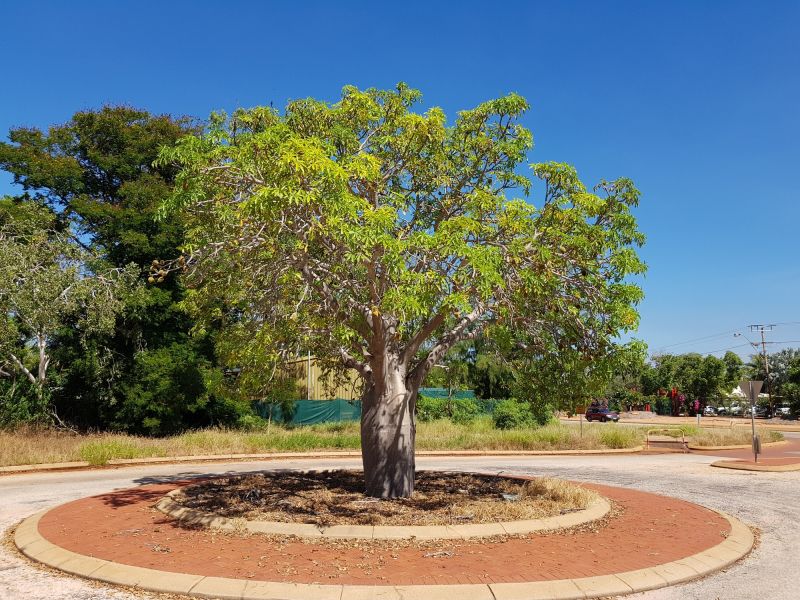
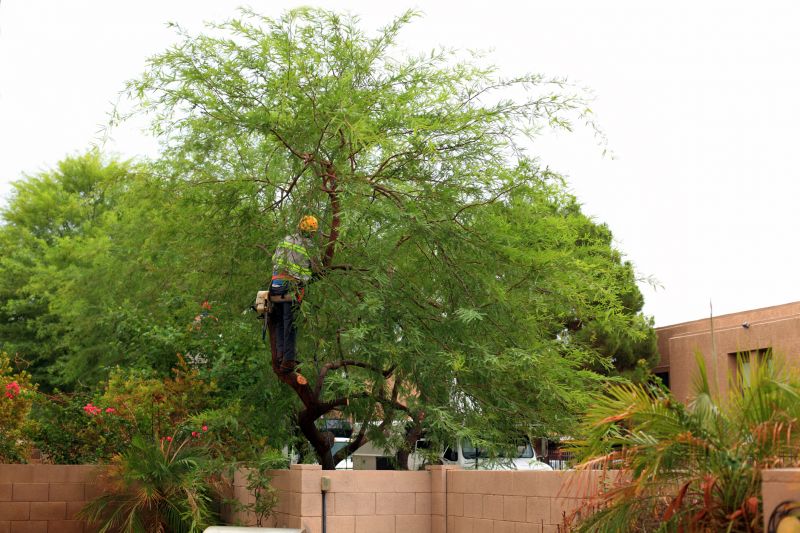
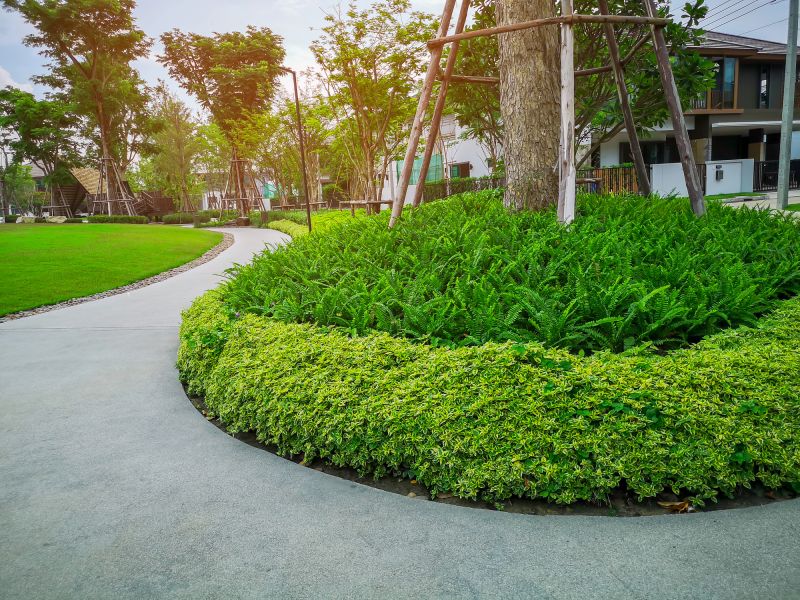
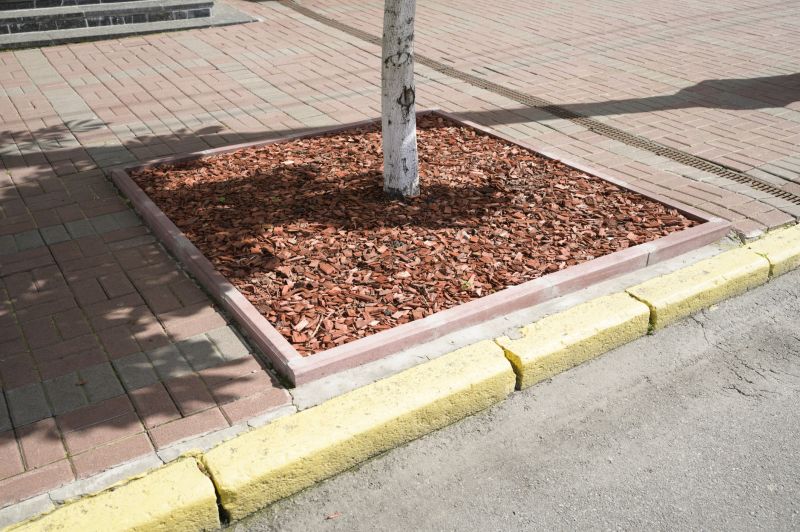
Tree curbings are installations designed to create a clear, defined border around a tree’s base. This service involves installing a barrier, often made of brick, stone, or concrete, that surrounds the trunk of the tree. The purpose of tree curbing is to protect the tree’s root zone from damage caused by foot traffic, lawn equipment, or vehicles, while also providing a neat and attractive appearance to landscaping. Skilled contractors ensure the curb is properly installed to allow for healthy root growth and proper drainage, helping the tree thrive in its environment.
This service is particularly useful for resolving common landscaping problems such as soil erosion, compaction, and damage to tree roots. Without a barrier, soil around a tree can become compacted from frequent foot or vehicle traffic, which can hinder root growth and water absorption. Additionally, mulch or grass can encroach on the root zone, leading to pest issues or disease. Installing a curb helps maintain a clean separation between lawn or pavement and the tree’s root area, reducing the risk of damage and promoting healthier growth.
Tree curbing is often used on residential properties, commercial landscapes, and public parks. Homeowners with mature trees in their yards may seek curb installation to improve curb appeal and protect valuable landscaping investments. Commercial property managers and park administrators also use this service to create organized, maintained landscapes that are both functional and visually appealing. Generally, properties with prominent or high-traffic trees benefit from curbing to prevent accidental damage and to ensure the longevity of the trees.
Homeowners might consider tree curbing services when they notice issues like soil erosion around their trees, damaged or uneven grass, or when they want to create a more polished look in their yard. It can also be a practical solution for trees located near driveways, walkways, or patios, where foot or vehicle traffic could threaten root health. Contacting local contractors who specialize in tree curb installation can provide tailored solutions to help protect trees, enhance property aesthetics, and address specific landscape challenges effectively.
The overview below groups typical Tree Curbing Installation projects into broad ranges so you can see how smaller, mid-sized, and larger jobs often compare in your area.
In many markets, a large share of routine jobs stays in the lower and middle ranges, while only a smaller percentage of projects moves into the highest bands when the work is more complex or site conditions are harder than average.
Smaller Repairs - Typical costs for minor tree curb repairs, such as trimming or small limb removal, generally range from $250-$600. Many routine jobs fall within this middle range, depending on tree size and scope.
Moderate Curbing - More extensive curb installation or correction work usually costs between $600-$1,500. Larger or more complex projects are less common but can reach higher amounts in this range.
Full Tree Curbing Installation - Complete curb installation for an entire property often falls between $1,500-$3,500. Many local contractors handle projects in this band, though larger landscapes may cost more.
Large or Complex Projects - Very large, intricate, or multi-tree curb projects can exceed $5,000. These are less frequent but are handled by specialized service providers for high-end or extensive work.
Actual totals will depend on details like access to the work area, the scope of the project, and the materials selected, so use these as general starting points rather than exact figures.
Landscape Edging Projects - landscape edging involves similar planning and tools as tree curbing, requiring precision installation to define garden beds and pathways.
Retaining Wall Construction - building retaining walls shares skills in site preparation, material handling, and structural planning with tree curb installation.
Garden Bed Installation - creating garden beds often involves installing edging and borders that require careful measurement and placement like tree curbing.
Pathway and Walkway Installation - constructing pathways involves planning, leveling, and using similar tools as those used in tree curb projects.
Hardscape Surface Edging - installing borders for patios or driveways uses comparable techniques in material handling and precise placement as tree curb installation.
Soil and Mulch Bed Preparation - preparing beds for planting involves installing borders and edging to contain soil and mulch, aligning with skills used in tree curb services.
When evaluating potential contractors for tree curbing installation, it’s important to consider their experience with similar projects. An experienced service provider will have a track record of handling curb installation around various types of trees and landscapes, which can help ensure the job is completed efficiently and effectively. Asking about past work or requesting examples of completed projects can provide insight into their familiarity with the specific requirements and challenges of tree curbing. This background can be a valuable indicator of their ability to deliver a finished product that meets expectations.
Clear, written expectations are essential when selecting a local contractor. A reputable service provider should be able to outline the scope of work, materials to be used, and any relevant project details in a straightforward manner. Having these details documented helps ensure both parties are aligned and reduces the chances of misunderstandings. It’s beneficial to review any written estimates or proposals carefully, making sure they specify what is included and what may incur additional costs. This transparency supports a smooth process from start to finish.
Good communication and reputable references are key factors in choosing a reliable contractor. Service providers who are responsive and willing to answer questions demonstrate professionalism and a commitment to customer service. Additionally, requesting references from previous clients can offer valuable insights into the contractor’s work ethic, reliability, and the quality of their finished projects. By gathering this information, homeowners can make a more informed decision and select a local professional who is likely to handle the tree curbing installation with care and competence.
Property owners use Tree Curbing Installation services for practical projects around their homes and businesses. This guide focuses on everyday jobs and straightforward project options.
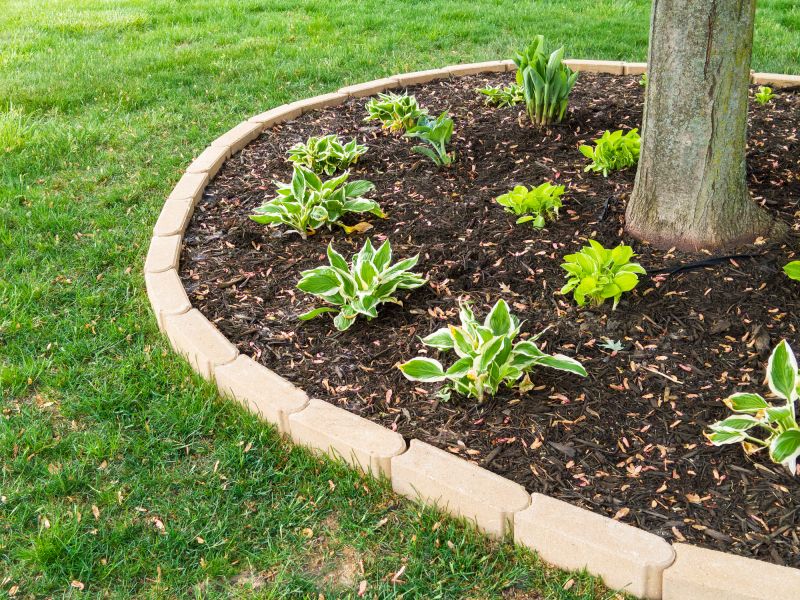
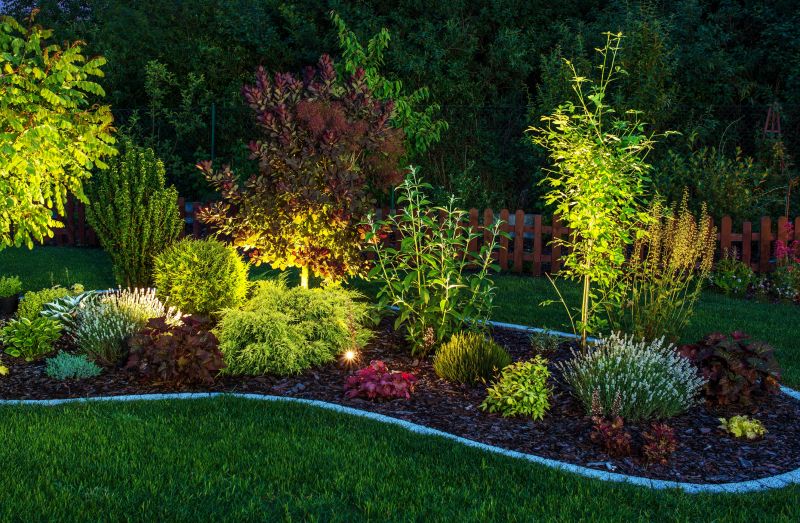
Tree curbing installation is a common project for property owners looking to improve the safety and appearance of their outdoor spaces. Local contractors can help establish clear boundaries around trees, preventing damage to sidewalks, driveways, or landscaping features. This service is often sought after when homeowners or business owners want to maintain a tidy yard, reduce the risk of tripping hazards, or protect structures from root intrusion.
Many property owners consider tree curbing installation as part of routine landscape maintenance or when preparing for new landscaping projects. Whether dealing with overgrown roots that threaten pavement or simply wanting a neat, defined edge around trees, local service providers can handle the work efficiently. Contacting experienced contractors ensures that the job is done properly, helping to preserve the health of the trees while enhancing the overall curb appeal.
What are the benefits of installing a tree curb? Tree curbing helps define landscaped areas, prevents damage to the tree trunk, and keeps mulch or soil in place around the tree.
How do local contractors install tree curbing? They typically use durable edging materials to create a barrier around the tree base, ensuring proper installation for long-term protection.
Can tree curbing be customized to fit different tree sizes? Yes, professional service providers can tailor the curb design and size to suit various tree types and landscape layouts.
What materials are commonly used for tree curbing? Common options include concrete, brick, stone, or metal edging, selected based on durability and aesthetic preference.
Is tree curbing suitable for all types of trees? Tree curbing is generally appropriate for most trees, especially those in landscaped areas, to help protect and define the space around them.
Tree Curbing for Property Borders - Define clear boundaries around landscaped areas to prevent grass and mulch from spreading into walkways and driveways.
Tree Curbing for Erosion Control - Install curbing around trees on slopes to help manage soil erosion and maintain ground stability.
Tree Curbing for Aesthetic Landscaping - Enhance the visual appeal of yards by creating neat, defined edges around trees and garden beds.
Tree Curbing for Safety and Accessibility - Create smooth, level borders that improve accessibility and reduce trip hazards near trees and planting areas.
If you are thinking about Tree Curbing Installation for a property, this guide is meant to help you understand the work, the typical project types, and how different options might fit your plans.
When you are ready, you can use the quote form on this page to share a few details about your project. From there, local pros can review the basics and respond with options that match what you have in mind.